Before you start the Tkinter tutorial you will need to have a working installation of Tkinter on your system. If you don't have either set up yet, the following steps will guide you through how to install Tkinter on macOS.
This guide is also available for Ubuntu Linux. On Windows, Tkinter is installed by default with Python.
What Is Tkinter?
Tkinter is Python's standard GUI (Graphical User Interface) library. It provides a fast and easy way to create desktop applications with buttons, labels, text fields, menus, and more. Because Tkinter is included with most Python distributions, it's one of the most popular choices for building Python GUI apps.
On macOS, Tkinter is not always bundled with the system Python, so you may need to install it separately. The easiest way to do this is with Homebrew.
Install Tkinter on macOS Using Homebrew
To install Python and Tkinter on macOS I recommend you use Homebrew. Homebrew is a package manager for command-line software on macOS. Homebrew has both Python 3 and Tkinter available in their repositories, making it the easiest way to get everything set up.
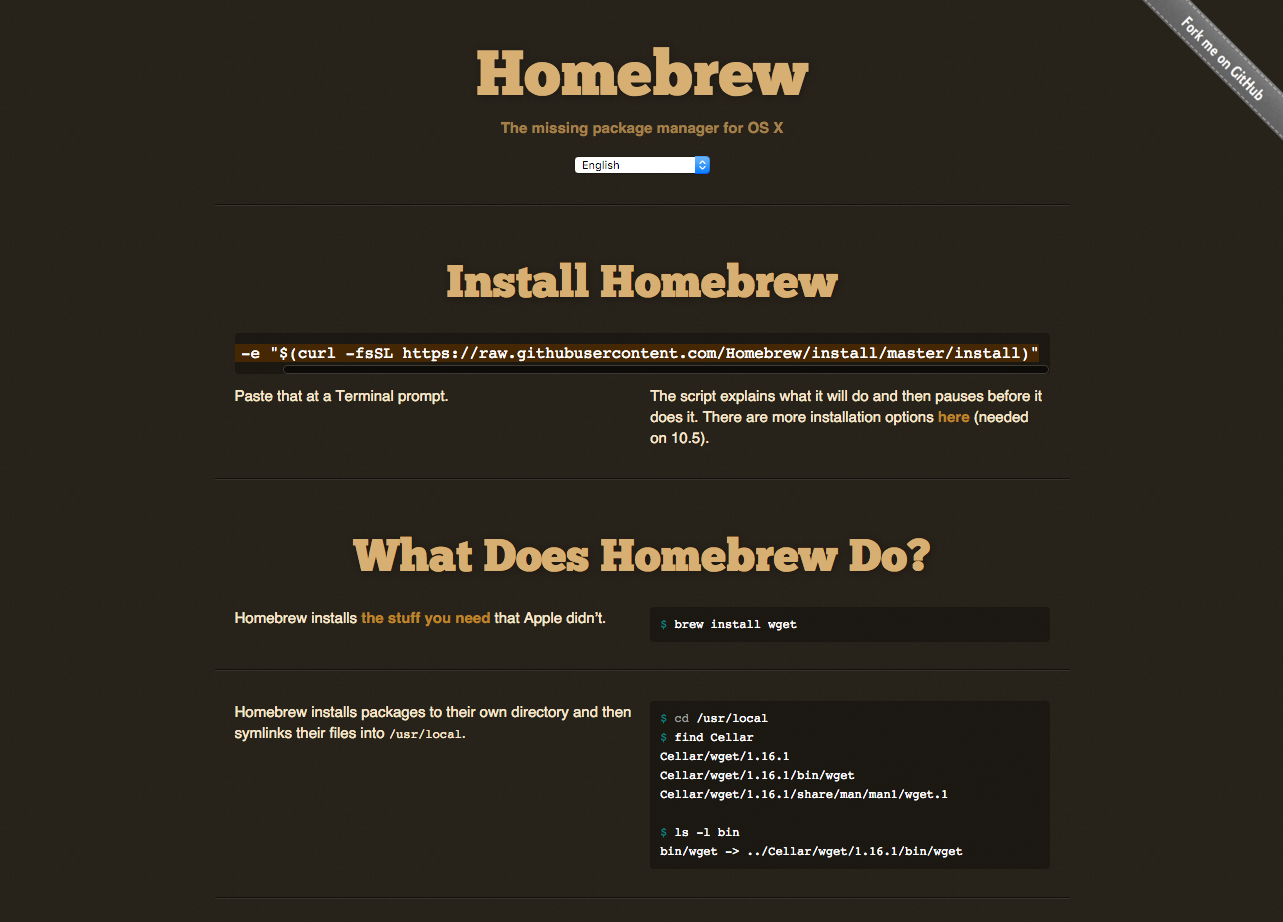 Homebrew -- the missing package manager for macOS
Install Homebrew
To install Homebrew, run the following from the command line --
ruby -e "$(curl -fsSL https://raw.githubusercontent.com/Homebrew/install/master/install)"
This is also available to copy and paste from the Homebrew homepage.
Install Python 3
Once Homebrew is installed you can then install Python 3 with --
PyQt/PySide Development Services — Stuck in development hell? I'll help you get your project focused, finished and released. Benefit from years of practical experience releasing software with Python.
brew install python3
Install Tkinter
With Python installed, you can then install Tkinter using Homebrew with --
brew install python-tk
Once this completes, you'll have a fully working Tkinter installation on macOS.
Verify Your Tkinter Installation
To confirm that Tkinter is installed correctly, open a terminal and run the following command:
python3 -c "import tkinter; tkinter._test()"
If a small test window appears, your Tkinter installation is working and you're ready to start building Python GUI applications on macOS.
Troubleshooting Common Tkinter Installation Issues on macOS
If you run into problems, here are a few common issues and fixes:
ModuleNotFoundError: No module named 'tkinter'— This usually means you're running a version of Python that doesn't have Tkinter bundled. Make sure you're using the Homebrew-installed Python (python3) and that you've runbrew install python-tk.- Tkinter window doesn't appear — On some macOS versions, you may need to grant terminal or IDE permissions under System Settings > Privacy & Security.
- Using the wrong Python version — Run
which python3to confirm you're using the Homebrew version (typically/opt/homebrew/bin/python3or/usr/local/bin/python3) rather than the macOS system Python.
Next Steps
With Tkinter installed on your Mac, you're ready to start creating Python GUI applications. Check out our Tkinter tutorial to learn the fundamentals and build your first desktop app with Python.
Packaging Python Applications with PyInstaller by Martin Fitzpatrick — This step-by-step guide walks you through packaging your own Python applications from simple examples to complete installers and signed executables.